
 Deals Of The Day
 Top Sellers
 Top Trending
 New Arrivals
 Shop By Brands
Chairs & Stools Industrial Seating
How to Choose the Right Industrial Seating
Choosing the right industrial seating starts with understanding your work environment, workstation design, and employee requirements. Consider how long users will remain seated, the height of the work surface, the type of tasks being performed, and the conditions in which the seating will be used. The right seating can support comfortable working positions and help employees perform routine tasks more efficiently.
For manufacturing facilities and assembly lines, industrial chairs with adjustable seat heights can help workers maintain suitable positions at different workstations. Workshops and maintenance departments may benefit from durable seating designed for frequent use. Laboratories, electronics assembly areas, and other specialized environments may require seating with specific cleaning, material, or static-control characteristics.
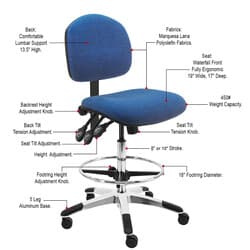
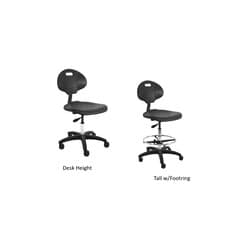
Seat construction, back support, base stability, and mobility are also important factors. Seating with appropriate back support may be useful for tasks that involve extended periods of sitting, while compact stools or task chairs may better suit workstations with limited space. For environments where workers frequently move between stations, consider whether stationary seating or a model with casters is more appropriate.
Before purchasing, measure your workstation height and available floor space. Check the seat-height adjustment range, weight capacity, and overall dimensions to ensure the selected product meets your operational needs. For specialized environments, always verify the manufacturer's specifications for chemical resistance, cleanability, or electrostatic discharge (ESD) protection where required.
Key Features to Look for in Industrial Seating
-
Ergonomic Design: Consider seat shape, back support, and available adjustments to help users maintain comfortable working positions.
-
Height Adjustment: Select seating with a suitable height range for your workbench, assembly station, or production counter.
-
Durability: Review frame construction, seat materials, and product specifications to ensure suitability for frequent industrial use.
-
Weight Capacity: Confirm the manufacturer's rated load capacity before selecting seating for your facility.
-
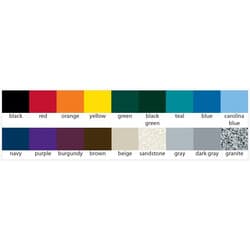
Seat Material: Choose materials based on cleaning requirements, workplace conditions, and expected frequency of use.
-
Base Stability: Look for a stable base and construction appropriate for the intended working environment.
-
Mobility and Casters: Determine whether fixed seating or a mobile design is better suited to your workstation and floor conditions.
-
Specialized Protection: For electronics manufacturing or sensitive work areas, consider ESD seating only when the product specifications confirm the required static-control properties.
-
Space and Dimensions: Measure workstation clearance and available floor space to ensure the seating fits the intended area.
Industries That Use Industrial Seating
-
Manufacturing: Seating for assembly lines, production stations, quality inspection, and component preparation.
-
Warehousing and Distribution: Chairs and task seating for packing stations, labeling operations, inventory processing, and order fulfillment.
-
Automotive and Maintenance: Durable seating for repair benches, parts inspection, equipment maintenance, and workshop tasks.
-
Electronics and Electrical Assembly: Specialized seating for electronics workstations and static-sensitive assembly environments.
-
Laboratories: Seating for testing benches, sample preparation, and technical work areas based on laboratory requirements.
-
Healthcare and Medical Facilities: Seating for selected preparation areas, technical workstations, and support operations where appropriate.
-
Research and Quality Control: Task seating for inspection stations, product testing, measurement, and technical evaluation.
-
Commercial and Industrial Offices: Practical seating for production offices, operational support teams, and facility work areas.
Frequently Asked Questions About Industrial Seating
Q1: What is industrial seating used for?
Industrial seating is designed for workplace environments such as manufacturing facilities, workshops, laboratories, assembly stations, and maintenance departments. Depending on the product, it may offer durable construction, adjustable height, specialized seat materials, or other features suited to industrial tasks. The best option depends on the user's work requirements and operating environment.
Q2: What is the difference between industrial seating and standard office seating?
Industrial seating is selected according to workplace conditions, task requirements, and durability needs. Some models are designed for production workstations, frequent cleaning, or specialized industrial environments. Standard office seating generally focuses on desk-based work and everyday office comfort. Compare the individual product specifications to determine which option best suits your application.
Q3: How do I choose industrial seating for a manufacturing workstation?
Start by measuring the workbench height and identifying the tasks performed at the station. Consider seat-height adjustment, back support, stability, weight capacity, and how frequently employees need to move between work areas. For longer seated tasks, evaluate whether additional ergonomic features are appropriate.
Q4: Is adjustable industrial seating available?
Industrial seating may be available in adjustable-height configurations, depending on the model. Adjustment mechanisms, seat-height ranges, and other features vary by product. Review the individual specifications to confirm that the seating is compatible with your workstation.
Q5: What is ESD industrial seating, and when is it needed?
Electrostatic discharge (ESD) seating is designed for use in work environments where controlling static electricity is important, such as electronics assembly and certain testing facilities. Not all industrial chairs provide ESD protection. If your workplace requires static control, select a model with verified ESD specifications and ensure it is used as part of your facility's appropriate static-control program.
Q6: What should I consider when selecting industrial seating materials?
Consider the workplace environment, cleaning frequency, expected wear, and exposure to moisture or chemicals. Different seat coverings and frame materials offer different properties. Check the manufacturer's specifications to confirm that the selected materials are appropriate for your operating conditions.
Q7: Can I purchase industrial seating in bulk for my facility?
If you need seating for multiple workstations or an entire facility, contact Janeice Products Co Inc to discuss product availability, quantities, and pricing. The team can help you identify suitable products and determine whether a bulk quote is available. Call +1 803-652-3025 or submit a quote request through the website.
Q8: Does Janeice Products ship industrial seating nationwide?
Janeice Products Co Inc is based in Aiken, South Carolina, and serves customers across the United States. Shipping methods, costs, and delivery estimates depend on product availability, order quantity, and destination. Contact the team at +1 803-652-3025 to confirm current shipping arrangements and estimated delivery timelines for your order.