
 Deals Of The Day
 Top Sellers
 Top Trending
 New Arrivals
 Shop By Brands
Chairs & Stools Ergonomic Standard
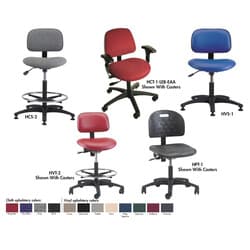
How to Choose the Right Ergonomic Chairs and Stools
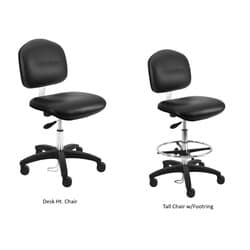
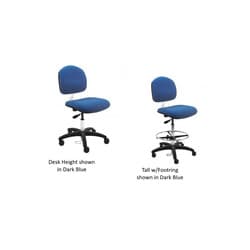
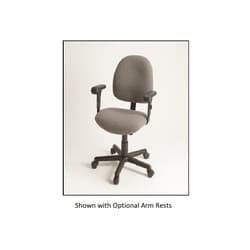
Choosing the right ergonomic chair or stool starts with understanding the tasks performed at your workstation and the amount of time employees spend seated. Consider the required seat height, back support, adjustability, seat material, and mobility. Employees working at desks or assembly stations may benefit from adjustable task chairs with back support, while elevated work surfaces and production benches may be better suited to height-adjustable industrial stools.
For workplaces that require specialized seating, material selection is especially important. Cleanrooms and laboratories may require seating designed for controlled environments, while electronics manufacturing and other static-sensitive operations may require electrostatic discharge (ESD) seating. Selecting seating appropriate for the working environment can help support workplace requirements and daily operational efficiency.
Ergonomic seating should also match the physical layout of your workspace. Check the height of workbenches, desks, counters, and equipment before selecting a chair or stool. Make sure the seat provides sufficient adjustment for the intended user and allows employees to work comfortably without unnecessary reaching, bending, or awkward positioning.
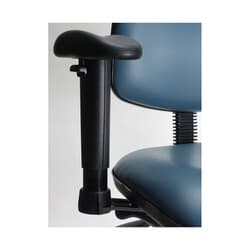
Before ordering, review the product specifications for weight capacity, seat dimensions, adjustment range, base configuration, upholstery, and available accessories. Selecting the right seating solution helps improve workstation organization and supports comfortable, efficient daily operations.
Key Features to Look for in Ergonomic Chairs and Stools
-
Adjustable Seat Height: Choose seating with an appropriate adjustment range to match desk heights, workbenches, counters, and individual user requirements.
-
Back Support: For tasks involving extended periods of sitting, consider chairs with backrests that support a comfortable working posture.
-
Seat Material: Select upholstery and surfaces suited to the working environment, cleaning requirements, and expected frequency of use.
-
Stability and Weight Capacity: Check the manufacturer's rated weight capacity and base design to ensure the seating is appropriate for its intended application.
-
Mobility: Consider casters for workstations where movement is necessary, or stationary bases for areas requiring a fixed seating position.
-
ESD Protection: For electronics manufacturing and static-sensitive work areas, select seating specifically designed for electrostatic discharge control.
-
Cleanroom Compatibility: Laboratories and controlled environments may require seating with specialized materials and construction. Verify the product specifications for the intended cleanroom classification.
-
Ergonomic Design: Consider seat dimensions, adjustability, back support, and foot support where appropriate to help employees maintain a comfortable working position.
Industries That Use Ergonomic Chairs and Stools
-
Manufacturing: Adjustable seating for assembly lines, production workstations, inspection areas, and light industrial tasks.
-
Electronics & Electrical: ESD seating for electronics assembly, component handling, testing, and other static-sensitive operations.
-
Laboratories & Cleanrooms: Specialized seating for laboratory benches, inspection stations, research facilities, and controlled environments.
-
Warehousing & Distribution: Seating for packing stations, inventory control desks, quality inspection areas, and administrative workstations.
-
Automotive: Task chairs and stools for component assembly, repair stations, inspection areas, and parts preparation.
-
Workshops & Maintenance: Durable stools and adjustable seating for technicians, mechanics, and maintenance personnel.
-
Commercial & Office Environments: Ergonomic task chairs for desks, customer service stations, and other work areas requiring extended seated work.
Frequently Asked Questions About Ergonomic Chairs and Stools
Q1: What is the difference between an ergonomic chair and an industrial stool?
An ergonomic chair generally includes a seat and backrest, often with adjustable features to support different users and tasks. An industrial stool typically has a more compact design and may be better suited to elevated workbenches, counters, assembly stations, and tasks requiring frequent movement between sitting and standing.
Q2: Are ergonomic chairs and stools height adjustable?
Many ergonomic chairs and stools offer adjustable seat heights, but adjustment features and ranges vary by model. Check the individual product specifications to confirm that the seating can accommodate your workbench, desk, or counter height.
Q3: What is ESD seating, and when is it required?
ESD seating is designed to help control electrostatic discharge in environments where static electricity could damage sensitive electronic components. It is commonly used in electronics manufacturing, testing facilities, and other static-sensitive work areas. Choose seating that meets the requirements of your facility's ESD control program.
Q4: Are specialized chairs available for cleanrooms and laboratories?
Yes. Janeice Products' category includes Bench Depot ESD cleanroom chairs and other specialized seating options. Requirements vary by environment, so verify cleanroom compatibility, material specifications, cleanability, and any applicable facility standards before purchasing.
Q5: How do I choose between a chair with a backrest and a backless stool?
A chair with a backrest may be appropriate for tasks involving longer periods of sitting and a need for additional back support. A backless stool can be useful for compact workstations, elevated benches, and tasks that involve frequent repositioning. Consider workstation height, task duration, movement requirements, and employee comfort when making your selection.
Q6: What should I check before ordering ergonomic seating in bulk?
Before placing a bulk order, confirm the required seat height, adjustment range, weight capacity, upholstery, base type, and any ESD or cleanroom requirements. Also consider the number of workstations, the working environment, and whether all employees require the same seating configuration. For assistance with product selection or larger orders, contact Janeice Products Co Inc at +1 803-652-3025.