
 Deals Of The Day
 Top Sellers
 Top Trending
 New Arrivals
 Shop By Brands
Casters Wheels
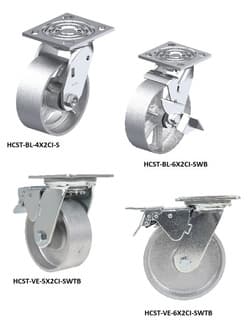
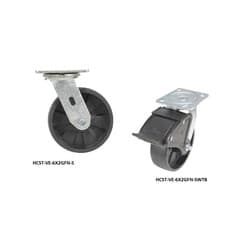
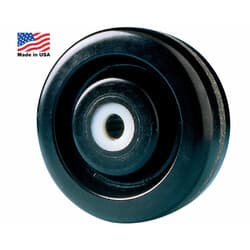
Shop industrial caster wheels at Janeice Products Co Inc, your trusted material handling supply source based in Aiken, South Carolina. Whether you need replacement wheels for industrial carts, smooth-rolling polyurethane wheels for material handling equipment, rubber wheels for improved floor protection, or heavy-duty wheels for demanding applications, our catalog offers solutions for a wide range of commercial and industrial needs. Explore caster wheels designed to support equipment mobility, improve maneuverability, and help businesses move materials efficiently across warehouses, manufacturing facilities, workshops, distribution centers, and other industrial environments.
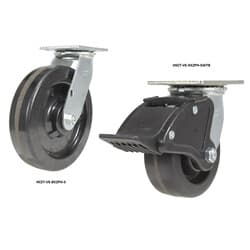
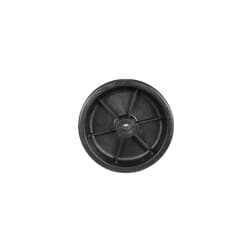
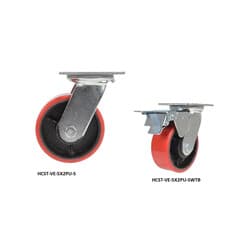
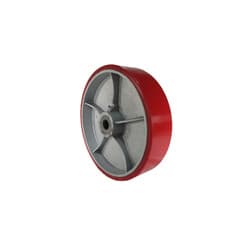
How to Choose the Right Caster Wheels
Choosing the right caster wheels for your equipment starts with understanding the total load, floor surface, operating environment, and movement requirements. Consider the combined weight of the equipment and its maximum load, then select wheels with an appropriate load rating. The floor type, frequency of movement, and whether the equipment travels over smooth concrete, rough surfaces, or uneven floors also influence wheel performance.
Wheel material is another important consideration. Polyurethane wheels are commonly used in industrial environments because they offer good wear resistance, load-bearing performance, and floor protection. Rubber wheels can provide quieter movement and better shock absorption, while nylon or other hard-wearing wheel materials may be suitable for specific applications requiring low rolling resistance or chemical resistance. Always verify the material specifications against your operating conditions.
You should also determine whether you need swivel wheels for maneuverability, rigid wheels for straight-line movement, or a combination of both. Swivel casters help carts turn in tight spaces, while rigid casters provide directional stability. Before ordering replacement wheels, check the wheel diameter, tread width, axle or bearing specifications, mounting arrangement, and load capacity to ensure compatibility with your existing equipment.
Key Features to Look for in Industrial Caster Wheels
-
Load Capacity: Select wheels rated to support the expected load. Account for the equipment's weight and the maximum materials it will carry.
-
Wheel Material: Choose polyurethane, rubber, nylon, or another suitable material based on floor conditions, noise levels, durability, and environmental requirements.
-
Wheel Diameter: Larger-diameter wheels can generally roll more easily over floor joints and minor obstacles, depending on the load and wheel design.
-
Swivel or Rigid Design: Swivel wheels improve maneuverability, while rigid wheels help maintain a straight travel path.
-
Bearing Type: Consider the bearing design and maintenance requirements based on how frequently the equipment moves and the loads involved.
-
Floor Protection: Select wheel materials that minimize marking, abrasion, and damage to the floor surface.
-
Operating Environment: For wet, washdown, or corrosive environments, evaluate corrosion-resistant materials and suitable wheel constructions.
-
Mounting Compatibility: Verify axle dimensions, hub width, bore size, and other specifications when replacing wheels on existing carts or equipment.
Industries That Use Industrial Caster Wheels
-
Manufacturing: Move work-in-process materials, components, tools, and equipment between production stations.
-
Warehousing & 3PL: Support mobile carts, picking equipment, order fulfillment, and internal material transportation.
-
Automotive: Provide mobility for parts carts, service equipment, tool storage units, and assembly fixtures.
-
Healthcare & Laboratories: Support selected mobile equipment, supply carts, and storage units where suitable wheel materials and movement characteristics are required.
-
Construction & MRO: Help move maintenance equipment, tool carts, and supplies around workshops and job sites.
-
Retail & Distribution: Enable smooth movement of stocking carts, replenishment equipment, and merchandise transport units.
-
Food Processing & Commercial Facilities: Support mobile racks, utility carts, and equipment when wheel materials and construction are appropriate for the cleaning and operating conditions.
Frequently Asked Questions About Caster Wheels
Q1: What are industrial caster wheels used for?
Industrial caster wheels provide mobility to carts, platform trucks, racks, equipment stands, and other material handling equipment. They help businesses transport products and supplies efficiently while reducing the effort required to move heavy loads.
Q2: What is the difference between swivel and rigid caster wheels?
Swivel caster wheels rotate to help equipment change direction and maneuver through narrow spaces. Rigid caster wheels move in a fixed direction and provide better directional stability. Many industrial carts use a combination of swivel and rigid casters to balance maneuverability and control.
Q3: Which caster wheel material is best for industrial use?
The best material depends on the load, floor surface, operating temperature, noise requirements, and exposure to chemicals or moisture. Polyurethane is a popular option for durability and floor protection, rubber is useful when cushioning and quieter movement are important, and nylon may suit applications requiring a hard, wear-resistant wheel. Check the individual product specifications before selecting a material.
Q4: How do I determine the load capacity required for caster wheels?
Start by adding the weight of the equipment and its maximum expected load. Divide the total by the number of load-bearing wheels, then allow for uneven floors and uneven load distribution. A conservative calculation often uses fewer wheels than the total installed to account for uneven loading. Always follow the manufacturer's load ratings and recommendations for the specific application.
Q5: How do I choose the correct size for replacement caster wheels?
Measure the existing wheel diameter, tread width, axle or bore dimensions, and hub width. If replacing a complete caster assembly, also verify the mounting plate dimensions, bolt-hole spacing, overall height, and swivel clearance. Matching these specifications helps ensure proper fit and equipment performance.
Q6: Can caster wheels protect floors from scratches and marks?
Yes. Suitable polyurethane and rubber wheels can help reduce floor marking and surface damage when matched to the floor type and load. However, floor condition, debris, wheel hardness, and load distribution also affect performance. Select a wheel specifically suited to your floor and operating environment.
Q7: Where can I buy industrial caster wheels in bulk?
Janeice Products Co Inc offers industrial and material handling products for businesses across the United States. Browse the available caster wheel options to compare product specifications, or contact the team at +1 803-652-3025 for assistance with bulk requirements and product selection.