
 Deals Of The Day
 Top Sellers
 Top Trending
 New Arrivals
 Shop By Brands
Carts Mobile
Shop mobile industrial carts and material handling trucks at Janeice Products Co Inc, your trusted material handling supply source based in Aiken, South Carolina. Whether you need multi-shelf stock carts for warehouse organization, platform trucks for transporting heavy loads, box trucks for moving bulk materials, or specialized carts for handling panels, sheets, and industrial supplies, our catalog offers versatile solutions for a wide range of workplace applications. Designed to support material movement, inventory handling, and daily operations, our mobile carts help warehouses, manufacturing facilities, distribution centers, maintenance departments, and commercial businesses improve workflow efficiency and keep essential materials moving.
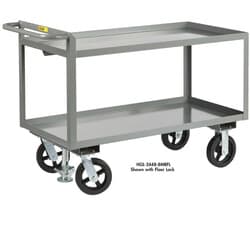
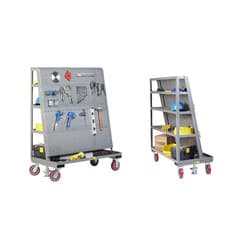
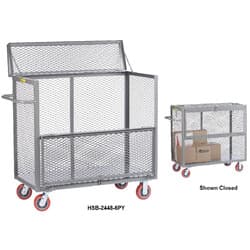
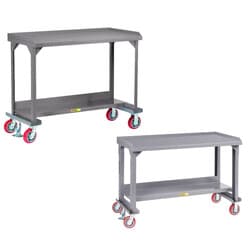
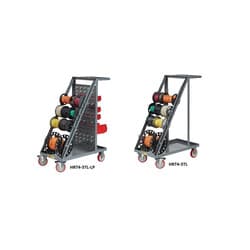
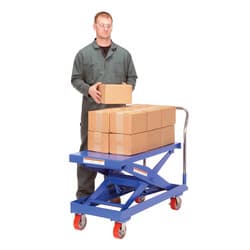
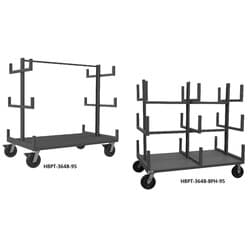

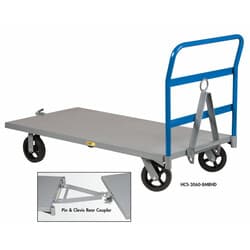
How to Choose the Right Mobile Industrial Cart
Choosing the right mobile industrial cart for your facility starts with understanding the materials you need to transport, the distance they must travel, and the working conditions in your facility. Consider the weight, size, and shape of your loads, how frequently the cart will be used, and whether you need shelves, a flat platform, enclosed sides, or specialized supports. Selecting the right cart helps improve handling efficiency, reduce unnecessary lifting, and keep materials organized during transportation.
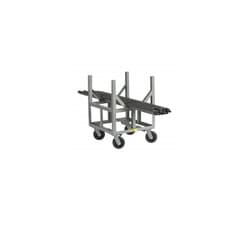
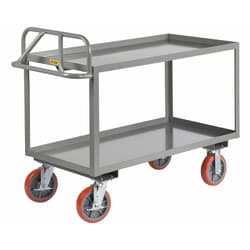
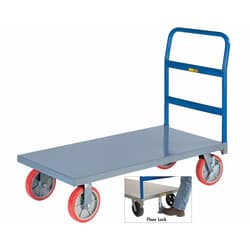
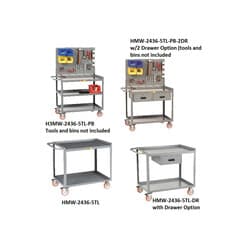
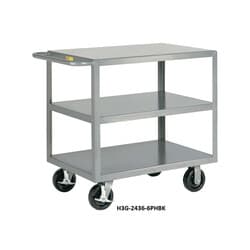
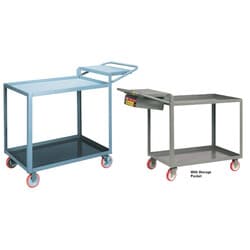
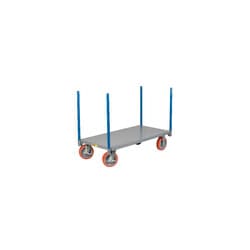
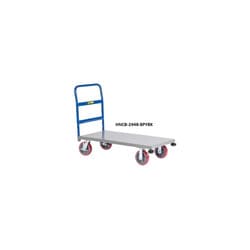
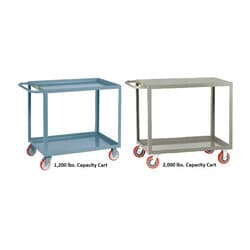
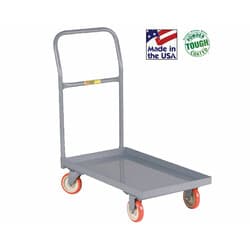
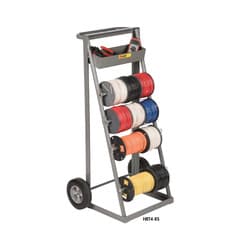
For warehouse picking, inventory movement, and general material handling, multi-shelf stock carts provide convenient storage for tools, parts, supplies, and smaller packages. Two-shelf, three-shelf, four-shelf, and five-shelf configurations allow you to select a cart based on your storage needs and available workspace. Platform trucks are better suited for transporting larger or heavier items that require a broad, flat loading surface. For bulk materials that need additional containment, box trucks and carts with raised sides help keep loads organized during movement.
Wheel and caster selection is another important consideration. Hard wheels may work well on smooth, level floors, while other wheel materials may provide better traction, quieter operation, or improved floor protection depending on the application. Consider the condition of your facility's floors, the load capacity required, maneuverability, and the need to move through narrow aisles or around workstations.
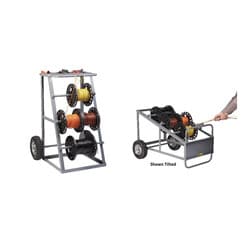
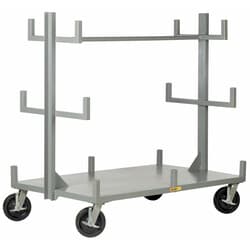
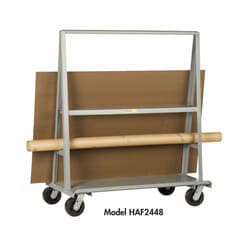
Before purchasing, verify the cart's overall dimensions, platform or shelf size, rated load capacity, handle design, and caster configuration. For specialized applications, such as moving large panels, sheets, or long materials, choose a cart specifically designed to support the shape and handling requirements of those loads.
Key Features to Look for in Mobile Industrial Carts
-
Load Capacity: Choose a cart with a rated capacity suitable for the total weight of the materials being transported. Distribute loads evenly and never exceed the manufacturer's specified limit.
-
Shelf Configuration: Multi-shelf carts provide organized storage for tools, parts, packages, and supplies. Select the number of shelves based on the items you handle and the available space.
-
Platform Size: Check the length and width of the loading surface to ensure your materials fit securely without excessive overhang.
-
Wheel and Caster Type: Select wheels suited to your floor conditions, load requirements, maneuverability needs, and desired noise level.
-
Handle Design: Raised handles and ergonomic designs can improve control and maneuverability during routine material transportation.
-
Construction and Durability: Choose a cart with a suitable frame, deck, and overall construction for the demands of your industrial or commercial environment.
-
Sides and Load Containment: Box trucks and raised-side carts help contain materials and reduce the risk of items sliding off during movement.
-
Specialized Design: Panel-moving trucks, adjustable sheet and panel trucks, and other specialized carts support particular material handling tasks.
-
Braking and Stability: For applications requiring carts to remain stationary during loading or unloading, consider models with appropriate floor locks or braking features.
Industries That Use Mobile Industrial Carts
-
Manufacturing: Transport components, tools, work-in-progress materials, and assembly supplies between production stations.
-
Warehousing and 3PL: Move inventory, picking orders, packages, and replenishment supplies throughout storage and distribution areas.
-
Retail and Distribution: Transport merchandise, restocking supplies, cartons, and products between stockrooms and sales areas.
-
Automotive: Move replacement parts, tools, components, and maintenance supplies through service bays and production facilities.
-
Construction and MRO: Transport equipment, maintenance materials, tools, and supplies within workshops and job-site support areas.
-
Healthcare and Laboratories: Move equipment, supplies, and materials between designated work areas using carts appropriate for the environment.
-
Offices and Commercial Facilities: Transport files, office supplies, packages, and general materials between departments.
-
Panel and Sheet Handling: Use specialized carts to move large panels, sheets, and similar materials in manufacturing and fabrication environments.
Frequently Asked Questions About Mobile Industrial Carts
Q1: What are mobile industrial carts used for?
Mobile industrial carts are used to transport tools, materials, parts, supplies, packages, and equipment within warehouses, manufacturing plants, workshops, and commercial facilities. Different designs support different tasks, from moving small components on multi-shelf carts to transporting large or heavy loads on platform trucks.
Q2: What is the difference between a stock cart and a platform truck?
A stock cart generally features two or more shelves for organizing and transporting smaller items, tools, inventory, and supplies. A platform truck typically has a flat loading deck designed for larger items, bulky materials, and loads that do not require multiple shelves. The right choice depends on the dimensions and type of materials being transported.
Q3: How do I determine the load capacity required for a mobile cart?
Calculate the combined weight of the materials you expect to carry during normal operation, then select a cart with a rated capacity that safely accommodates that load. Also consider how the weight is distributed across the platform or shelves. Always follow the manufacturer's load limits and operating instructions.
Q4: Are mobile industrial carts available with multiple shelves?
Yes. Janeice Products offers stock carts in two-, three-, four-, and five-shelf configurations, allowing businesses to select a model suited to their storage and transportation requirements. Available dimensions and specifications vary by model. Review the individual product details before ordering.
Q5: What type of wheels should I choose for an industrial cart?
Wheel selection depends on the floor surface, load weight, required maneuverability, noise considerations, and desired floor protection. Consider polyurethane, rubber, or other suitable wheel materials based on your working environment. Check the cart's product specifications to confirm the wheel type, caster configuration, and load rating.
Q6: Are mobile carts available for transporting large panels and sheets?
Yes. Specialized options include adjustable sheet and panel trucks and panel-moving carts designed for handling larger materials. These carts can be useful in manufacturing, fabrication, construction supply, and other industrial applications. Check the specific model's dimensions, support configuration, and capacity to ensure it is suitable for your materials.
Q7: What should I consider before ordering a mobile industrial cart?
Before ordering, evaluate the cart's load capacity, platform or shelf dimensions, overall size, wheel type, handle design, construction, and intended application. Also consider aisle width, floor conditions, storage space, and whether you need specialized features such as raised sides, a floor lock, multiple shelves, or panel supports. Comparing these requirements with the product specifications helps you select a cart suited to your facility's material handling needs.