
 Deals Of The Day
 Top Sellers
 Top Trending
 New Arrivals
 Shop By Brands
Boxes Nesting
Shop industrial nesting boxes at Janeice Products Co Inc, your trusted material handling supply source based in Aiken, South Carolina. Whether you need space-saving containers for warehouse operations, reusable boxes for parts handling, or heavy-duty molded plastic containers for industrial storage and transportation, our catalog offers practical solutions for organizing and moving materials efficiently. Designed for applications where storage space, durability, and easy handling matter, nesting boxes help warehouses, manufacturing facilities, distribution centers, and maintenance departments optimize their storage areas and material handling processes.
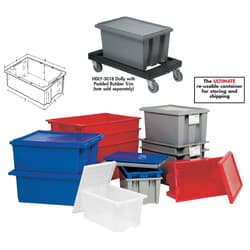
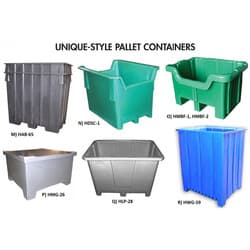
How to Choose the Right Industrial Nesting Boxes
Choosing the right industrial nesting boxes starts with understanding the type of materials you need to store or transport, the available storage space, and how frequently the containers will be handled. Consider the dimensions, internal capacity, load requirements, and construction material before selecting a suitable model. Nesting boxes are especially useful for facilities that need to reduce storage space when containers are empty.
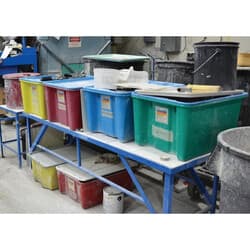
For warehouses, manufacturing plants, and distribution centers, nesting containers help make more efficient use of floor space during storage and return transportation. When empty, compatible containers can fit inside one another, reducing the space required for storage. Some models also include lids that allow containers to be stacked when in use, providing additional flexibility for organizing materials.
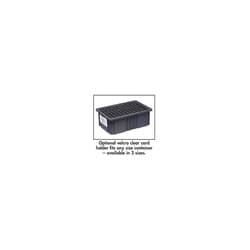
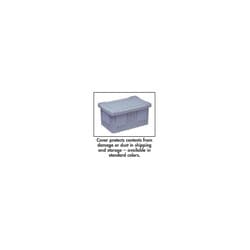
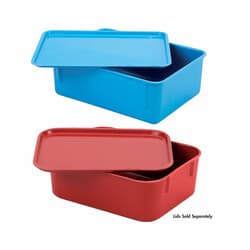
Material selection is another important factor. Heavy-duty molded plastic containers are suitable for many industrial applications that require durable, reusable storage solutions. For example, certain containers available from Janeice Products feature nesting capability and lids for stacking, making them useful for facilities that need both compact empty storage and organized handling of filled containers.
Before ordering, verify the container's overall and internal dimensions, load capacity, nesting clearance, and lid compatibility. Make sure the selected boxes can accommodate your materials and fit within your existing shelving, storage, or transportation systems.
Key Features to Look for in Industrial Nesting Boxes
-
Nesting Design: Choose containers designed to fit inside one another when empty to reduce storage space and improve handling efficiency.
-
Material and Durability: Consider heavy-duty molded plastic construction for reusable industrial storage and material handling applications.
-
Size and Capacity: Match the container's internal dimensions and volume to the materials you need to store or transport.
-
Stacking Compatibility: If filled containers need to be stacked, verify that the selected model supports stacking and has compatible lids where required.
-
Load Capacity: Check the manufacturer's rated load capacity before storing heavy materials or stacking filled containers.
-
Handling and Access: Consider the container's shape, grip areas, and ease of handling for employees moving materials between workstations.
-
Storage Efficiency: Compare nested height and overall dimensions to determine how much space you can save when containers are empty.
-
Cleaning and Maintenance: Select containers with surfaces and construction appropriate for your operating environment and cleaning requirements.
Industries That Use Industrial Nesting Boxes
-
Manufacturing: Store and transport components, production parts, tools, and assembly materials between workstations.
-
Warehousing & 3PL: Reduce the space occupied by empty containers while improving storage and material handling efficiency.
-
Automotive: Organize replacement parts, mechanical components, fasteners, and service materials.
-
Retail & Distribution: Manage stock movement, product handling, and reusable containers in distribution and back-room operations.
-
Construction & MRO: Store and transport tools, hardware, fittings, and maintenance supplies.
-
Food Processing: Use suitable industrial containers for handling and transporting materials, subject to the specific model's material and hygiene requirements.
-
Logistics & Transportation: Improve return-trip efficiency by nesting compatible empty containers and reducing the space required during backhaul operations.
Frequently Asked Questions About Industrial Nesting Boxes
Q1: What are industrial nesting boxes?
Industrial nesting boxes are containers designed to fit inside one another when empty. This space-saving design helps businesses reduce storage requirements and handle reusable containers more efficiently in warehouses, manufacturing facilities, and distribution operations.
Q2: What is the difference between nesting boxes and stackable boxes?
Nesting boxes fit inside one another when empty, reducing the space required for storage. Stackable boxes are designed to sit securely on top of one another. Some containers support both functions, depending on their design and whether compatible lids are used. Always check the individual product specifications.
Q3: What materials are used to manufacture nesting boxes?
Industrial nesting boxes are available in different materials depending on their intended application. Heavy-duty molded plastic is a common choice for reusable industrial containers because it offers durability and convenient handling. Select the material according to the required strength, operating environment, and storage conditions.
Q4: Can nesting boxes be stacked when filled?
Some nesting containers can also be stacked when filled, particularly when the design includes compatible lids. However, stacking capability and weight limits vary by product. Review the manufacturer's specifications before stacking loaded containers.
Q5: How do nesting boxes help save warehouse space?
Nesting boxes reduce the amount of space needed to store empty containers because compatible units fit inside one another. This can free up valuable floor space, simplify container returns, and improve storage efficiency in warehouses, distribution centers, and manufacturing facilities.
Q6: What size nesting box should I choose?
Choose a size based on the dimensions, quantity, and weight of the items you need to store or transport. Measure the available storage area and check both the internal and external dimensions of the container. If multiple containers will be nested together, also consider the nested height and the space required to remove individual units.
Q7: Where can industrial nesting boxes be used?
Industrial nesting boxes are suitable for a range of applications, including manufacturing, warehousing, distribution, automotive operations, maintenance facilities, and logistics. The appropriate container depends on the materials being handled, the operating environment, and the manufacturer's product specifications.