
 Deals Of The Day
 Top Sellers
 Top Trending
 New Arrivals
 Shop By Brands
Lifts / Lifting Equipment Pallet
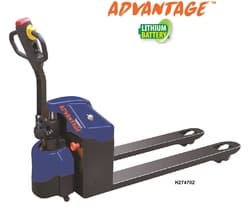

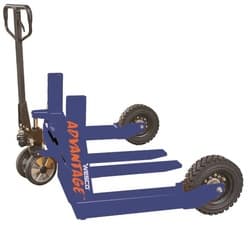
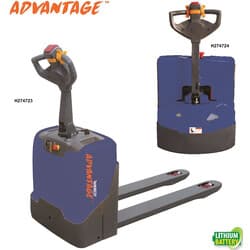
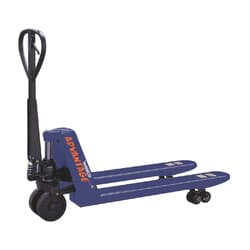
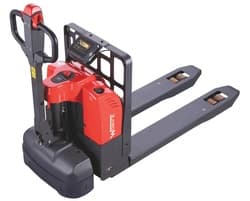
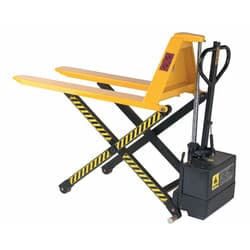
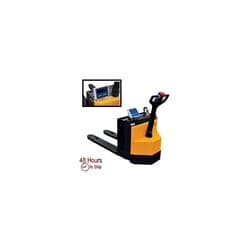
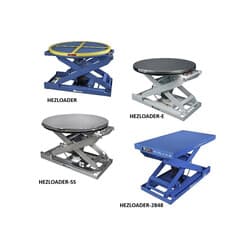
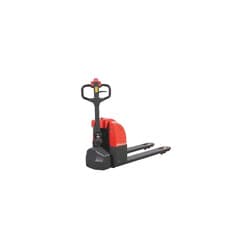
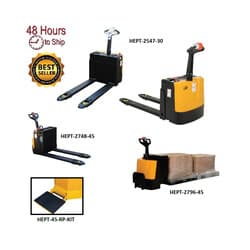
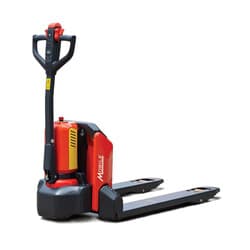
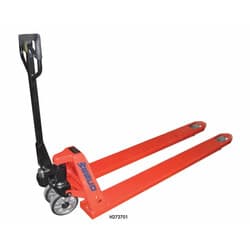
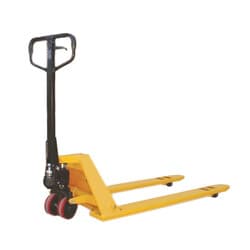
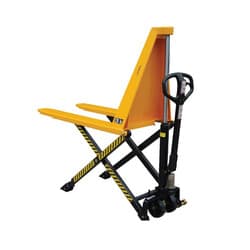
How to Choose the Right Pallet Lifts and Lifting Equipment
Choosing the right pallet lifting equipment starts with understanding your load capacity, lifting height, pallet dimensions, and material handling requirements. Consider the maximum weight you need to lift, how frequently the equipment will be used, the distance loads must travel, and whether you need to lift pallets only a few inches or raise them to elevated storage or working positions. Selecting equipment that matches your daily workflow helps improve efficiency and supports safer material handling.
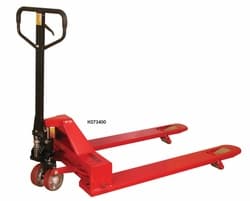
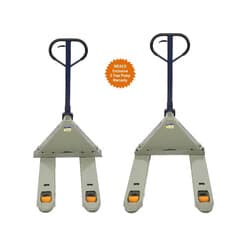
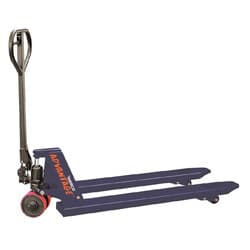
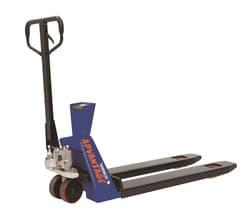
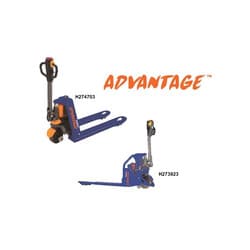
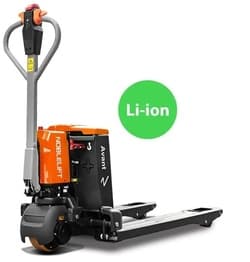
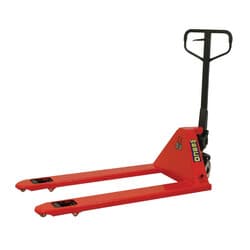
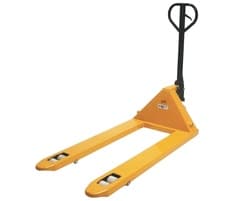
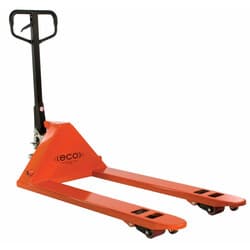
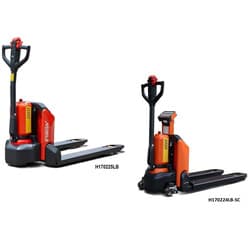
For moving palletized goods across warehouses, loading areas, and distribution centers, pallet trucks provide a practical solution for horizontal transportation. Electric pallet trucks are particularly useful for frequent movements and heavier loads because powered travel and lifting reduce the physical effort required from operators. For lifting pallets to higher storage positions, pallet stackers offer vertical lifting capabilities and can help make better use of warehouse space. Janeice Products offers fully powered pallet trucks and electric pallet stackers in different capacities and configurations.
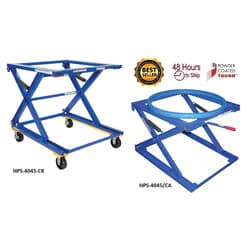
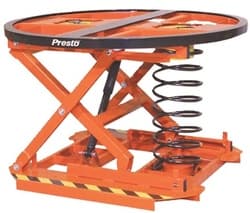
For assembly lines, packaging stations, and production areas where materials need to be positioned at a comfortable working height, scissor lift tables and lift table carts can provide an ergonomic solution. These products can help reduce repetitive bending and manual lifting while making it easier to position materials for processing, inspection, or assembly.
Before purchasing, verify the equipment's rated load capacity, maximum lifting height, lowered height, fork or platform dimensions, power source, wheel type, and maneuverability. You should also consider aisle width, floor conditions, charging requirements for battery-powered equipment, and the training required for safe operation.
Key Features to Look for in Pallet Lifts and Lifting Equipment
- Load Capacity: Select equipment rated to handle your heaviest expected load. Account for the load's weight distribution and follow the manufacturer's operating limits.
- Lifting Height: Check the maximum lift height and lowered height to ensure the equipment suits your storage racks, workstations, and loading requirements.
- Pallet Compatibility: Verify fork length, fork width, fork spacing, and overall equipment dimensions against the pallets used in your facility.
- Manual or Powered Operation: Manual equipment may suit occasional, short-distance handling, while electric pallet trucks and powered stackers can support frequent movements and demanding workflows.
- Platform and Fork Design: Choose a suitable fork or platform configuration for the type, size, and shape of the materials being handled.
- Maneuverability: Consider turning radius, overall width, wheel material, and aisle clearance when selecting equipment for compact warehouses or busy production areas.
- Safety Features: Look for appropriate braking systems, emergency controls, safety screens, load protection features, and other manufacturer-specified safety mechanisms.
- Ergonomic Design: Lift tables and powered handling equipment can reduce repetitive physical effort and help position materials at suitable working heights.
- Power and Maintenance: For powered equipment, review battery specifications, charging requirements, operating time, service needs, and replacement part availability.
Industries That Use Pallet Lifts and Lifting Equipment
- Warehousing & Distribution: Move palletized inventory, transfer goods between storage locations, and support loading and unloading operations.
- Manufacturing: Position raw materials, components, and finished products near production lines and assembly stations.
- Shipping & Receiving: Handle incoming and outgoing palletized shipments and improve material movement around loading areas.
- Automotive: Transport components, position production materials, and move parts between assembly and maintenance workstations.
- Retail & Wholesale: Replenish inventory, move bulk merchandise, and support stockroom and distribution operations.
- Food & Beverage: Handle palletized packaged goods and supplies in suitable warehouse and distribution environments.
- Construction & Industrial Supply: Move heavy materials, packaged equipment, and supplies within warehouses and designated work areas.
- Packaging & Assembly: Raise containers, cartons, and components to convenient working heights for packing, inspection, and assembly tasks.
Frequently Asked Questions About Pallet Lifts and Lifting Equipment
Q1: What is pallet lifting equipment used for?
Pallet lifting equipment is used to raise, lower, transport, and position palletized loads and other materials in warehouses, manufacturing facilities, and distribution centers. Depending on the equipment type, it can support horizontal transportation, vertical stacking, truck loading, and ergonomic positioning at workstations.
Q2: What is the difference between a pallet truck and a pallet stacker?
A pallet truck is primarily designed to lift pallets enough to move them across the floor. A pallet stacker provides greater vertical lifting capability, allowing operators to raise pallets to higher storage positions or transfer loads onto elevated platforms. Electric pallet trucks and powered stackers are available for applications requiring powered movement and lifting. <Cite refs={["turn373277search8","turn373277search16"]}/>
Q3: How do I determine the required load capacity?
Identify the maximum weight of the load you plan to handle, including the pallet and any additional materials. Choose equipment with a rated capacity that meets your requirements, and verify any load-center restrictions or capacity reductions associated with lifting height. Never exceed the manufacturer's specified capacity.
Q4: When should I choose a scissor lift table instead of a pallet truck?
A scissor lift table is useful when materials need to be raised to a suitable working height for assembly, packaging, inspection, or other production tasks. A pallet truck is generally better suited for transporting palletized loads horizontally across a facility. The right choice depends on whether your primary requirement is transportation, elevation, or ergonomic positioning. <Cite refs={["turn373277search5","turn373277search8"]}/>
Q5: Are electric pallet trucks and stackers available?
Yes. Janeice Products lists powered pallet trucks and electric pallet stackers with different load capacities, fork configurations, and lifting heights. Specific operating features, battery arrangements, and available options vary by model, so review the product specifications before selecting equipment. <Cite refs={["turn373277search8","turn373277search16"]}/>
Q6: What safety factors should I consider when using pallet lifting equipment?
Check the rated load capacity, load stability, floor conditions, aisle clearance, braking and emergency controls, and the manufacturer's operating instructions. Operators should receive appropriate training, inspect equipment before use, and keep people clear of suspended or elevated loads. Always follow the manufacturer's safety procedures and applicable workplace requirements.
Q7: How do I select the right equipment for a small warehouse?
For a small warehouse, assess aisle widths, turning space, pallet dimensions, load weights, lifting heights, and the frequency of material movement. Compact pallet trucks may suit short-distance transportation, while appropriately sized stackers can support vertical storage where clearance allows. Measure your available space and compare the equipment's overall dimensions before ordering.
Q8: Can I request assistance selecting pallet lifting equipment?
Yes. If you are unsure which model meets your requirements, contact Janeice Products Co Inc for assistance with product selection and specifications. You can reach the team at +1 803-652-3025 or submit a quote request through the website. Share your required load capacity, lifting height, pallet dimensions, and intended application to help identify suitable options.